
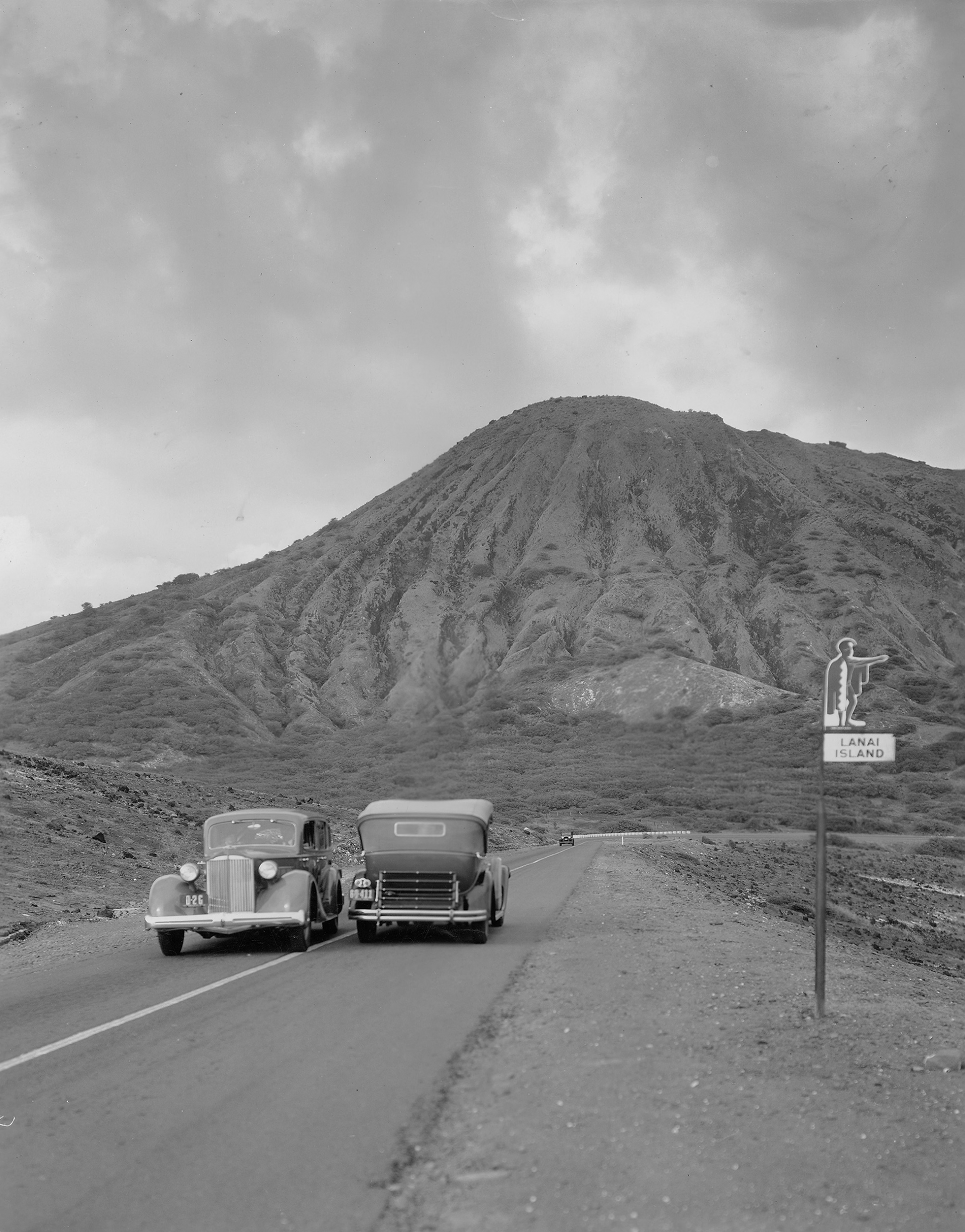
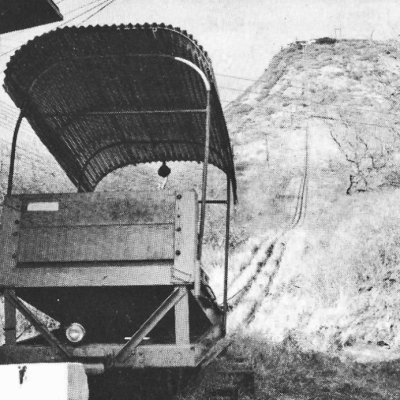
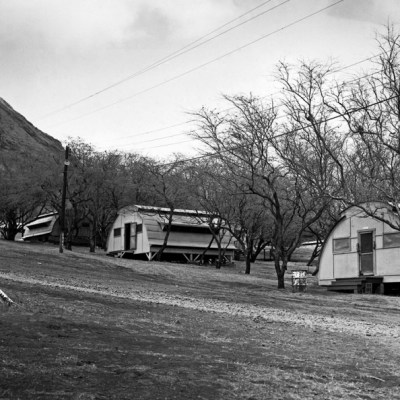
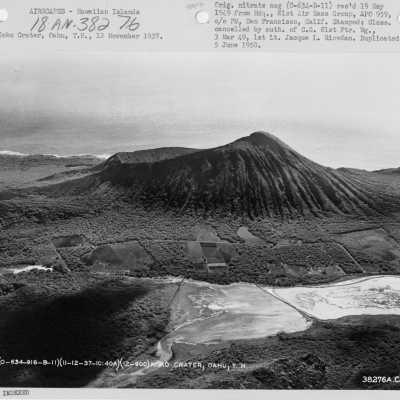
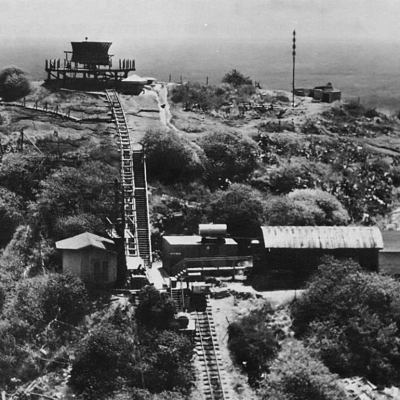
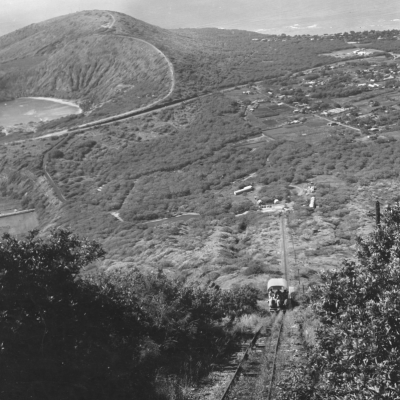
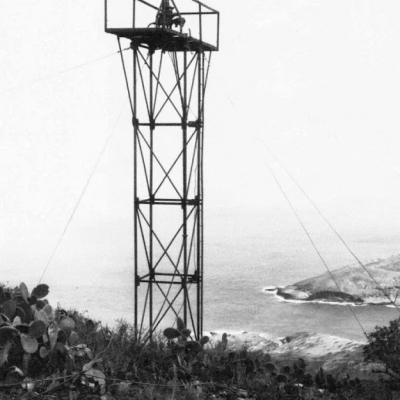
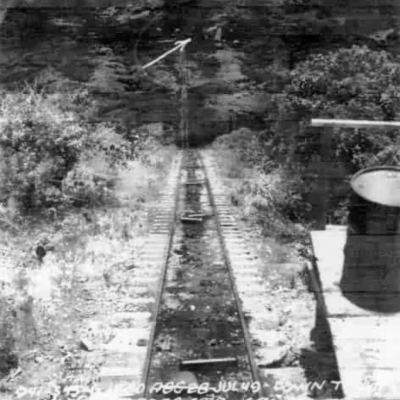
Originally built by the U.S. Army between 1942 and 1943, the gas powered rail tramway transported personnel, equipment, and supplies from a base camp, now Koko Head District Park, at the base of Kohelepelepe. A narrow gauge, cable pulled rail car carried materials up the mountain to radar equipment and operational facilities located at the summit of Puʻu Mai.
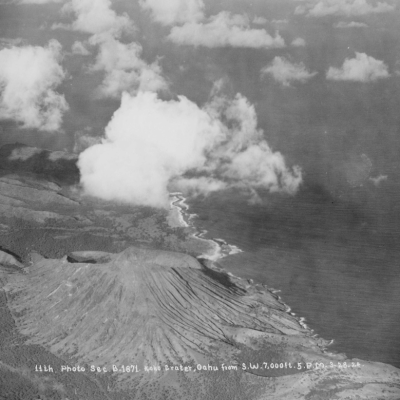
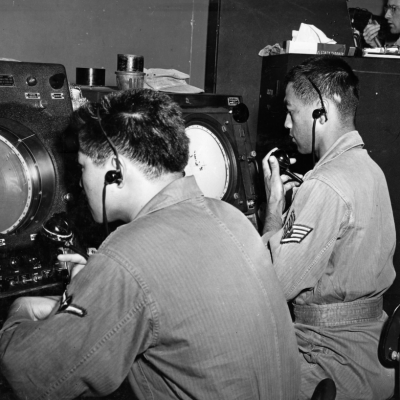
With the creation of the U.S. Air Force in 1947, the site became Koko Crater Air Force Station. It served as one of two vital radar sites on Oʻahu, connecting to the Hawaiian Air Defense Control Center, which tracked aircraft approaching the island. The mission was later assumed by the Hawaii Air National Guard.
As airborne and satellite technology advanced, the mission at Koko Crater became obsolete. The U.S. Air Force deactivated the installation and transferred the land and tramway to the City and County of Honolulu.
In the 56 years since the radar site and rail tramway were decommissioned, the structure has lost a significant number of cross ties due to erosion, rot, weather exposure, and increased foot traffic.
The tramway is more popular than ever, attracting individuals of all ages and backgrounds, including residents of Hawaii Kai, communities across Oahu, and visitors from around the world. Estimates suggest daily hikers range from 500 on a quieter day to more than 1,000 on busy days. These hikers seek a challenging workout, sweeping views from the summit, and a meaningful connection to Hawaiian history and legend.
The tramway is more popular than ever, attracting individuals of all ages and backgrounds, including residents of Hawaii Kai, communities across Oahu, and visitors from around the world. Estimates suggest daily hikers range from 500 on a quieter day to more than 1,000 on busy days. These hikers seek a challenging workout, sweeping views from the summit, and a meaningful connection to Hawaiian history and legend.
Puʻu Mai Summit has also become a place where people mark significant life events, engagements, family reunions, memorials, and other commemorative gatherings. Visitors gather to experience breathtaking sunrises and sunsets. Military service members conduct reenlistments, promotions, shore excursions, and team building activities centered around the climb.
Professional, amateur, and everyday athletes test their endurance on the stairs. Over the years, the trail and summit have been the setting for countless memorable moments.